Research and knowledge transfer
The State of Energy in Quebec 2026 Edition presents a mixed picture
February 12, 2026
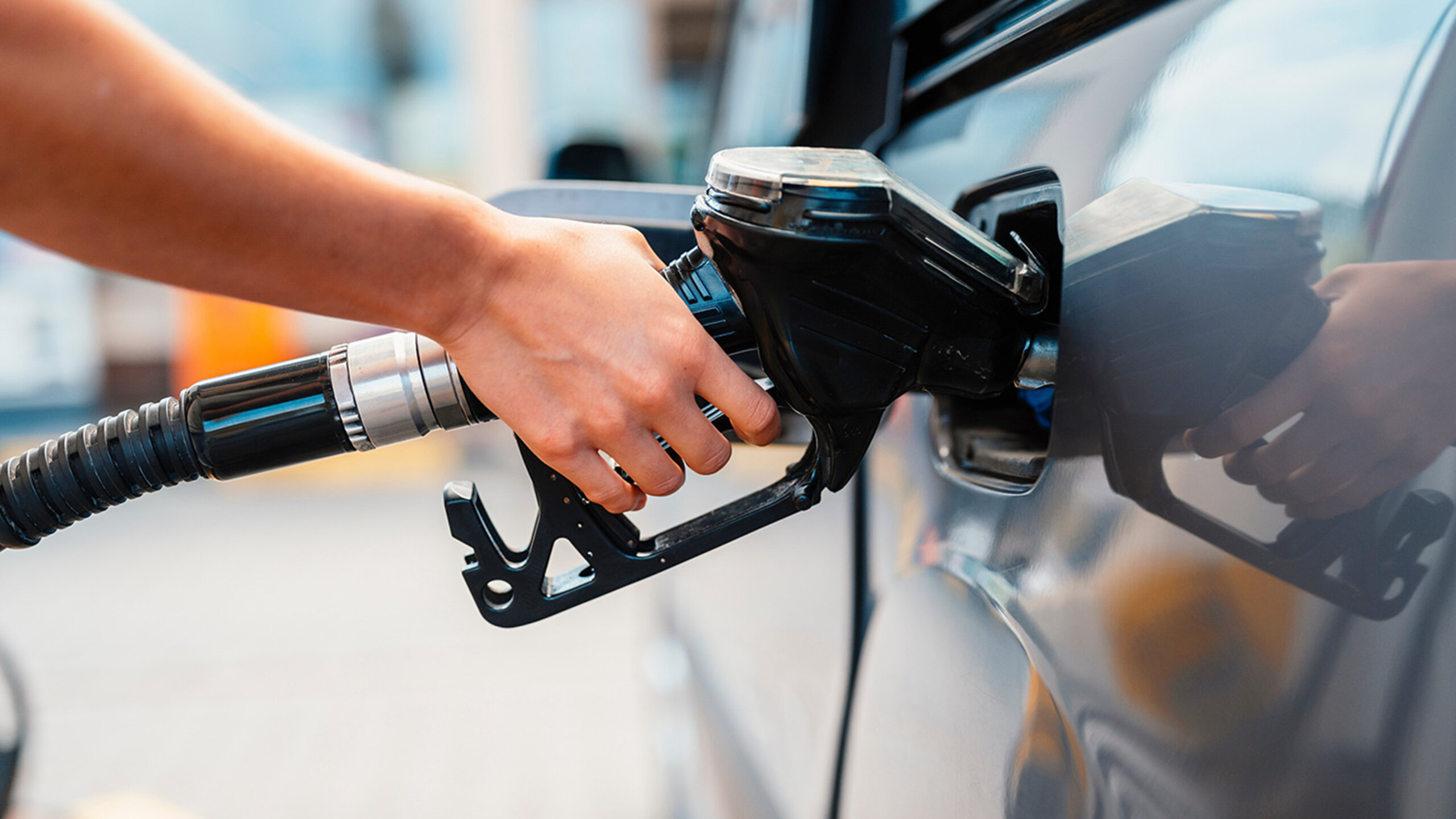
The energy sector is marked by divergent trends: although there is a decline in the fleet of gasoline and diesel vehicles, spending related to vehicle and petroleum product sales continues to rise.
This is one of the key findings of The State of Energy in Quebec 2026 Edition, a report published by HEC Montréal’s Chair in Energy Sector Management, with financial support from the Government of Quebec. This annual report has been co-authored by senior researcher Johanne Whitmore and Professor Pierre-Olivier Pineau, Research Chair in Energy Sector Management.
Energy consumption
Sales of sport utility vehicles (SUVs) and electric and gas-powered trucks still dominate the market, to the tune of 86% in 2024, compared to 24% in 1990. Quebecers have never spent as much money on new vehicles as they did in 2024: $25.9 billion (+19% compared to 2023).
Moreover, with 182 GJ per capita, Quebec remains among the largest energy consumers in the world. Reasons for this include the low cost of energy, the climate and a strong presence of energy-intensive industries attracted by cheap hydroelectricity.
Industry and energy productivity
Energy productivity gains in Quebec have not led to any actual decrease in consumption: unlike Ontario, Quebec is only experiencing relative decoupling. GDP growth is still accompanied by a more moderate increase in energy consumption.
“Ontario and Germany have demonstrated that it is possible to increase GDP while reducing energy consumption and emissions. By improving its energy productivity, Quebec could close its productivity gap while also moving towards greater energy efficiency and sobriety.”
–
Pierre-Olivier Pineau, Research Chair in Energy Sector Management at HEC Montréal
Reversing the trends
In this context, Pierre-Olivier Pineau recommends enhancing the current incentive-based approach with more structured tax, tariff and regulatory measures. He also advocates the adoption of stronger efficiency standards to align markets with the goal of carbon neutrality by 2050.
Professor Pineau finds it regrettable that several energy targets, in place since 2016, have been withdrawn or revised in the proposals for implementing the Plan for a Green Economy. He refers, in particular, to the 40% reduction in petroleum product consumption by 2030. He also highlights the decision to push back climate targets from 2030 to 2035, while new targets are expected within the scope of the Integrated Energy Resource Management Plan. According to him, such adjustments “undermine the predictability required for data transition and monitoring. Instead of revising targets, we should strengthen measures to improve their outcomes.”
Find out more
The State of Energy in Quebec 2026 Edition – detailed report [in French only]