Campus news
HEC Montréal announces the creation of the Circle of Alliance with First Peoples
June 17, 2026
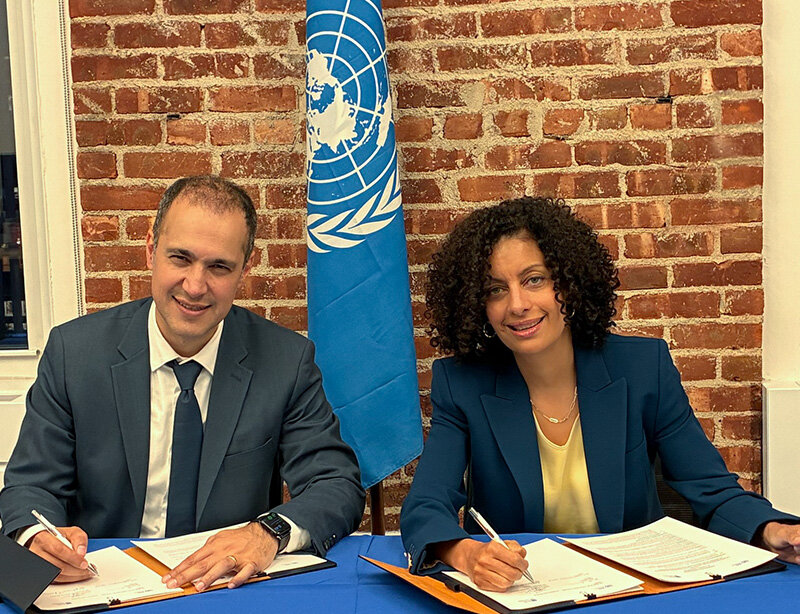
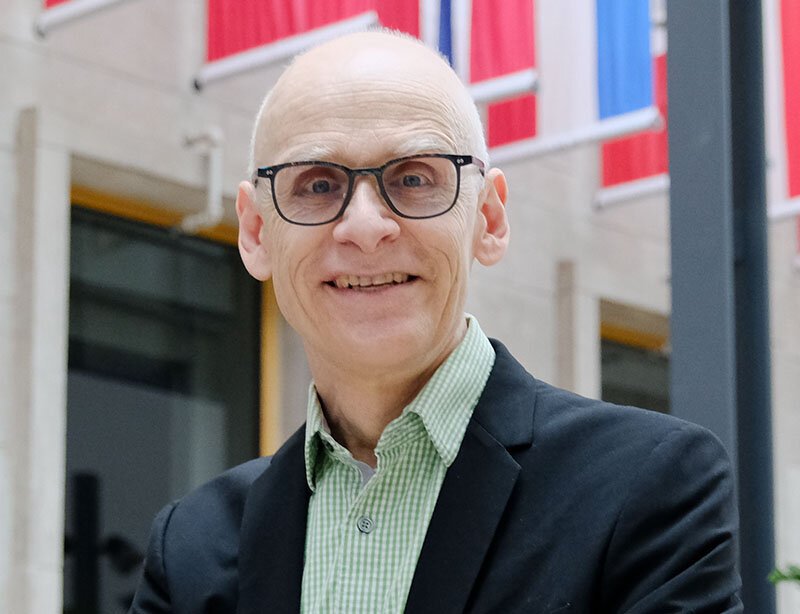
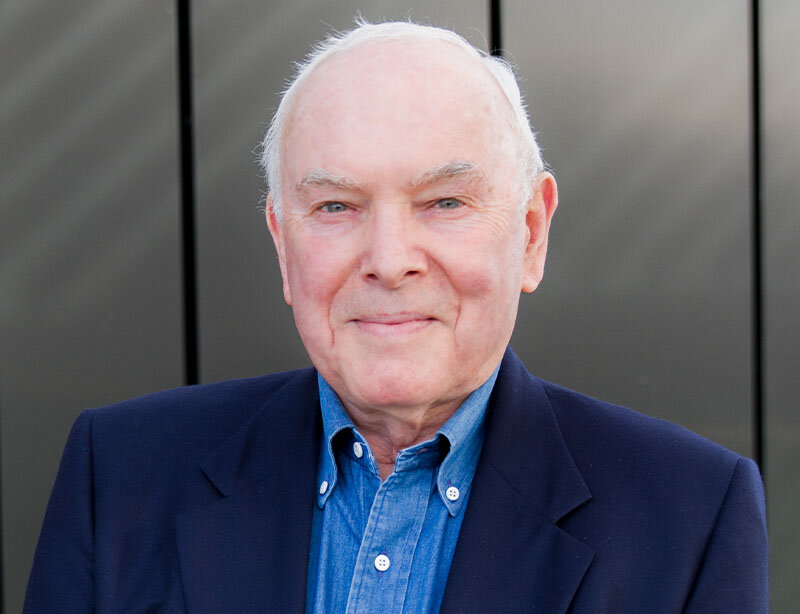
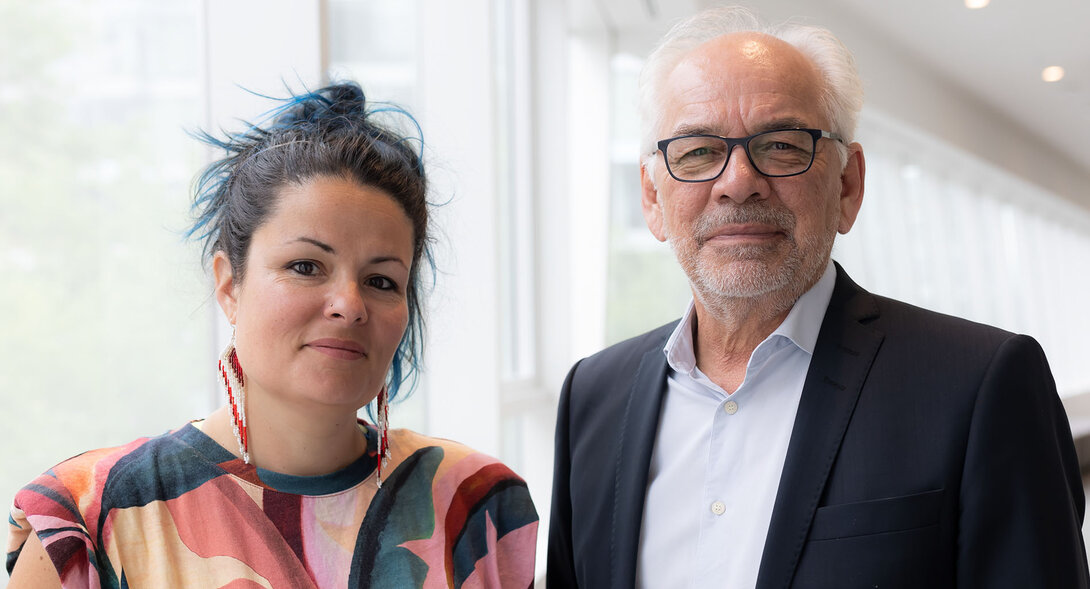
The School announces the creation of the Circle of Alliance with First Peoples, a new initiative aimed at structuring and amplifying the School’s actions in teaching, research, and outreach related to Indigenous realities. This new entity will be co-led by Adjunct Professor Ghislain Picard and Professor Marine Agogué.
Image
Caption
Marine Agogué and Ghislain Picard
As National Indigenous Peoples Day and the Summer Solstice approach, and in a context where higher education institutions are called upon to play an active role in transforming our society, this initiative marks a new step in the School’s commitments to increase its societal impact, enhance the student experience, and actively contribute to reconciliation efforts.
It notably builds on the solid foundations of the partnership developed with First Peoples through the First Nations Executive Education (FNEE), whose “For and By” academic approaches have demonstrated significant impact in recent years.
Co-leadership at the intersection of knowledge systems
The Circle of Alliance with First Peoples will be co-led by two individuals recognized for their commitment and the complementarity of their expertise.
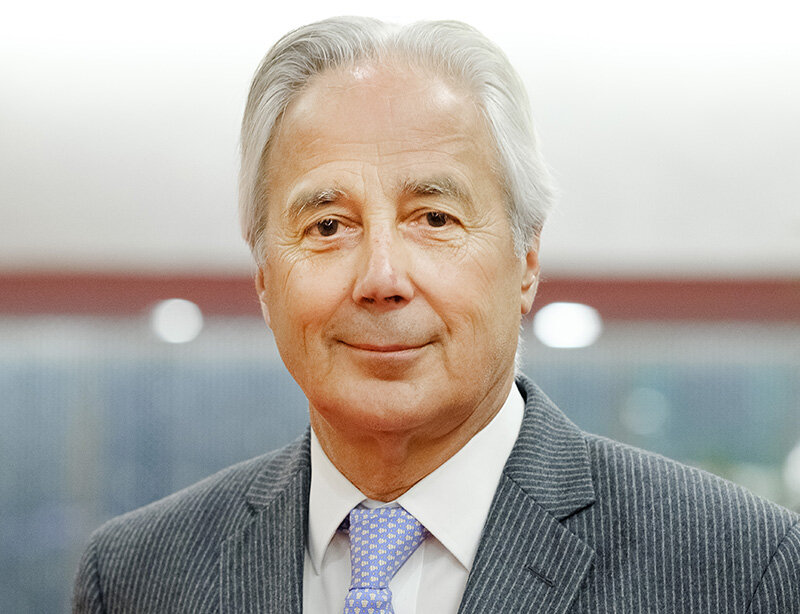
Ghislain Picard
An Innu from the community of Pessamit and Adjunct Professor at HEC Montréal, Ghislain Picard served as Chief of the Assembly of First Nations Quebec-Labrador (AFNQL) from 1992 to 2025, representing 10 Nations across 43 communities over a vast territory.
Since 2021, he has chaired the advisory committee of FNEE as well as the Board of Directors of the McCord Museum.
The recipient of numerous awards throughout his career, Ghislain Picard is actively involved in programs in governance and economic reconciliation, particularly those focused on emotional intelligence, Indigenous governance, and public affairs.
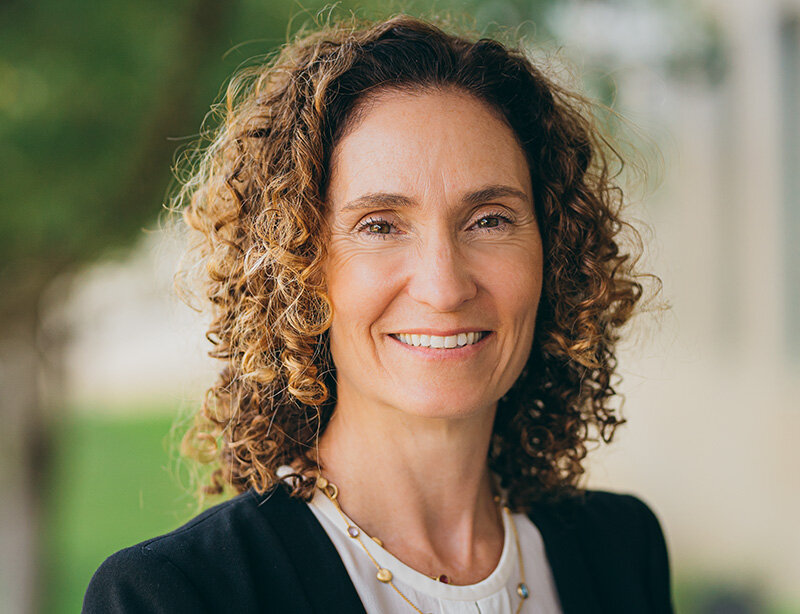
Marine Agogué
Professor in the Department of Management, Director of the Pierre-Péladeau Center for Leadership and Management, and Associate Editor of the Creativity and Innovation Management Journal, Marine Agogué specializes in organizational creativity and leadership.
Committed for several years to the development of teaching and research projects in collaboration with FNEE, she actively contributes to the integration of Indigenous perspectives into management approaches by promoting experiential, collaborative, and field-based methods.
Together, they will carry an ambitious and complementary vision at the intersection of academic approaches and Indigenous knowledge.
A vision grounded in reciprocity and co-creation
“The Circle of Alliance with First Peoples reflects a clear commitment to building sustainable bridges between HEC Montréal and First Peoples through knowledge sharing and outreach. This approach takes on its full meaning when it is grounded in reciprocity, respect, and the ability to act collectively for the future.”
–
Ghislain Picard
The choice of the terms that make up its name is meaningful and reflects the scope of the initiative.
The circle, a central symbol in Indigenous cultures, represents harmony, interconnectedness, and the unity of all that exists. It reflects a worldview in which life is circular and continuous. At once spiritual, social, and natural, it embodies essential values such as respect, listening, balance, and equality.
The term “alliance” refers to both a historical and contemporary notion of connection, union, and partnerships between Nations, particularly in social and economic contexts, while also evoking the idea of enduring and structuring relationships.
Finally, the use of “with” emphasizes a process of co-creation and reciprocity, grounded in shared knowledge, realities, and perspectives with First Peoples—than in substitution for them.
Through this initiative, HEC Montréal aims to foster the sustainable integration of Indigenous knowledge, perspectives, and practices, within a framework of reconciliation, reciprocity, co-construction, and concrete benefits for First Peoples.
A lever to mobilize teaching and research
Since the creation of FNEE in 2021, several members of HEC Montréal’s faculty have been actively involved in its activities, integrating Indigenous realities into their courses and developing research projects on these topics.
The creation of the Circle of Alliance with First Peoples therefore constitutes a structuring lever to support and amplify the engagement already present within the School.
This initiative also aims to mobilize the student body, staff, and faculty around awareness-building actions, exchanges, teaching projects, field research, and interdisciplinary collaborations.
“The co-creation approach, inspired by Etuaptmumk—the Two-Eyed Seeing concept of Mi’gmaq Elder Albert Marshall, which brings together Indigenous knowledge and Western science—is a powerful lever to mobilize teaching and research at HEC Montréal. The Circle is intended to serve as knowledge-sharing for the entire student body, staff, faculty, and beyond. The academic innovation and expertise developed within FNEE over the past five years provide a strong foundation for this next phase.”
–
Marine Agogué
The Circle will thus:
- Recognize and promote existing initiatives
- Foster interdisciplinary collaborations around Indigenous realities
- Support the development of new teaching and research projects
- Provide a structured framework to strengthen the impact and coherence of these actions
A reaffirmed institutional ambition
Through the creation of the Circle of Alliance with First Peoples, HEC Montréal reiterates its commitment to contributing concretely to the training of leaders capable of understanding and integrating contemporary Indigenous issues, while supporting the development of relevant knowledge rooted in First Peoples realities.
The School also aims to strengthen its path toward becoming a leading reference in management in Indigenous contexts, while actively taking part in reconciliation efforts.